

- Train the agent so it remembers the latest experience data.
- Write instructions so it knows how to behave during the conversation.
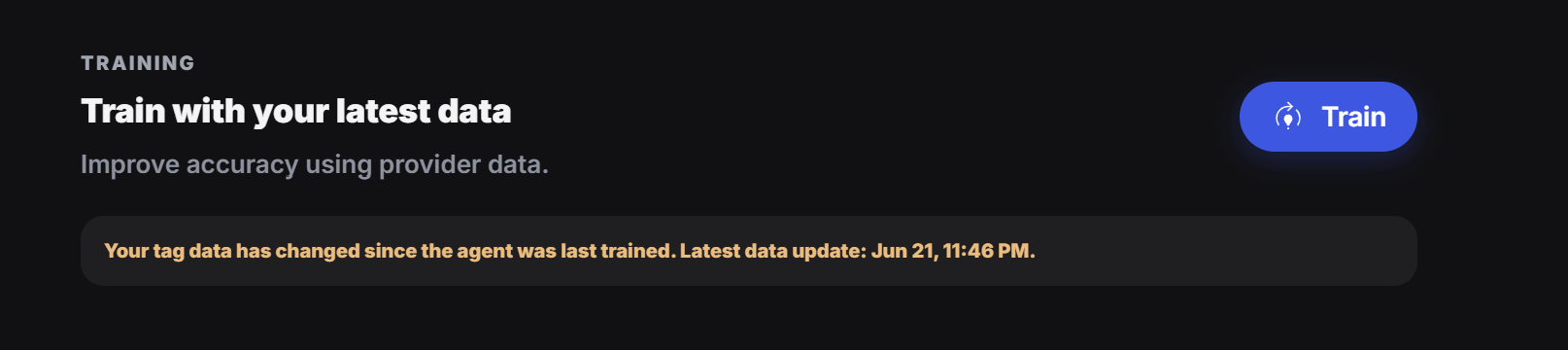
Train with your latest data
When you click Train, PeekTag reads the latest data from the experience. This can include things like:- Experience title
- Description
- Menu or product details
- Uploaded content
- Business information
- Metadata
- Settings that help describe the experience
Why training matters
If the agent is not trained after an update, it may still answer using older information. For example, if you update a menu item, change a service description, add a new product, or edit the experience text, the agent needs to learn that new version before customers start asking questions. A simple rule:Update something, then train the agent. That keeps the model fresh and avoids outdated answers.
Build instructions
After the agent has the latest data, use Agent Instructions to explain how it should behave. This is where you write the rules the agent should follow during the conversation.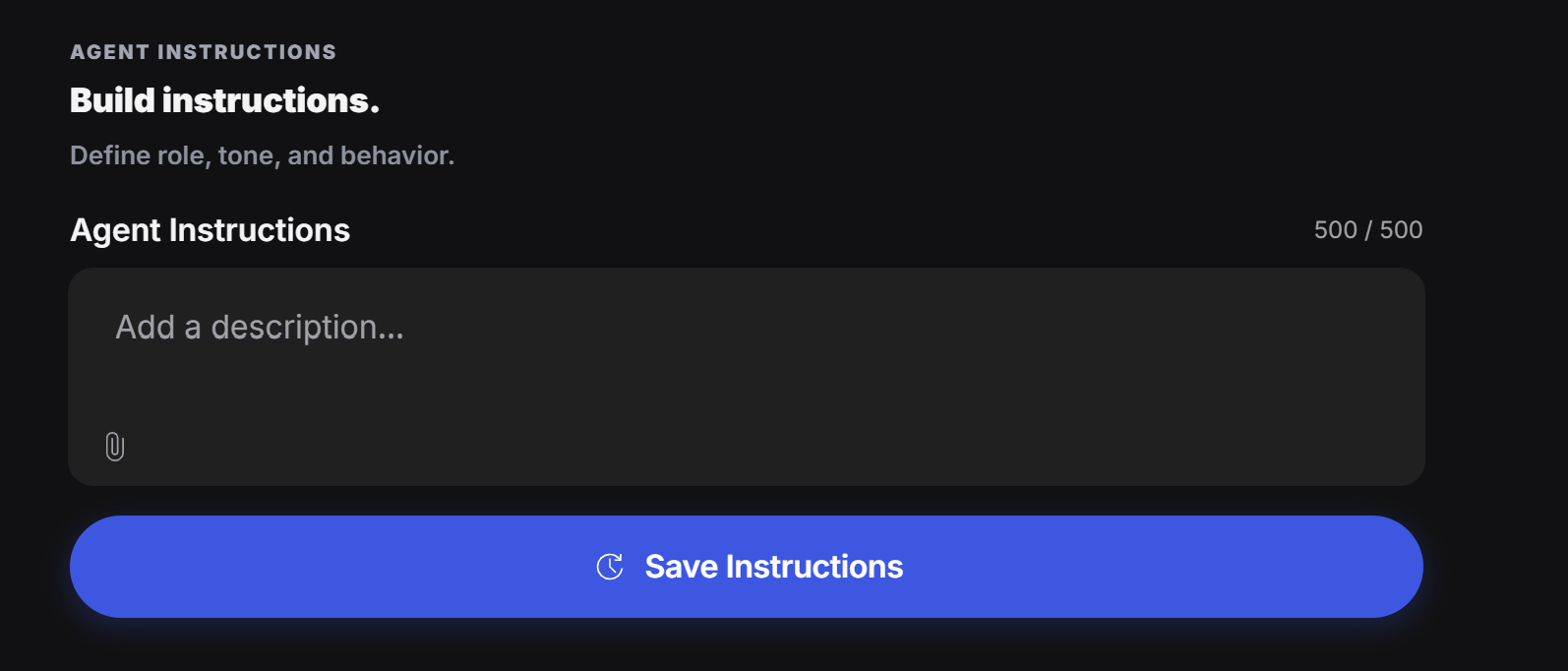
- What role it has
- How it should speak
- What tone to use
- What it should help the customer do
- What it should avoid
- When it should recommend an action
- What it should never guess
Simple example
What to include
Role
Say who the agent is. For example: fashion assistant, menu guide, booking helper, or product advisor.
Tone
Tell it how to sound: friendly, premium, simple, expert, calm, playful, or direct.
Goal
Tell it what the customer should achieve, such as choose an outfit, understand a menu, book a service, or ask for help.
Boundaries
Tell it what not to say, not to promise, and not to guess.
Good everyday rules
Use plain rules like these:- Keep answers short and easy to understand.
- Ask one question at a time.
- Do not make up missing information.
- If something is not in the experience data, say that clearly.
- Guide the customer to the next useful action.
- Stay on topic for this experience.
- Match the business tone.
When to update instructions
Update the instructions when:- The business goal changes
- The offer changes
- The tone needs to feel different
- Customers are asking confusing questions
- The agent gives answers that are too long, too vague, or too risky
- You add new actions, products, services, or content